

Buy Real Estate with No Money Down: What You'll Learn Here
This guide will show you 8 real ways to buy rental property without using your own money. You'll learn what works, what doesn't, and how to get started today.
At a Glance: How to Buy Real Estate With No Money Down
Buying real estate with no money down doesn’t mean buying property for free. It means using other people’s money, special loan programs, partnerships, or existing equity instead of draining your personal savings.
Learn 8 proven strategies investors actually use
Understand the risks and tradeoffs of no-money-down deals
See how credit scores impact your loan options
Find beginner-friendly ways to get started today
Check Your Credit Before You Invest
Can You Really Buy Real Estate With No Money?
Yes, but let's be clear about what this means. You can't buy property with zero money from anywhere. But you can buy property without using your own savings.
Here's how:
Use money you already have (like your home's value)
Borrow money in smart ways
Partner with other people
Use special loan programs
Get creative with deals
The key is learning to use "other people's money" instead of your own cash.
Real Estate Investing Tips: Why This Matters for You

Most people think they need $50,000 or more to start buying rental properties. This stops many people from ever starting. But with the right approach, you can start with much less money upfront.
When you buy property with little money down, you can:
Start building wealth sooner
Keep your savings for emergencies
Buy more properties faster
Make bigger returns on your investment
"I always thought real estate was only for rich people. I started house hacking with just 3.5% down using an FHA loan, and now my tenants cover almost all of my mortgage. I’m already looking at my second property next year!" — Marcus, Denver
Is It Really Possible to Buy Real Estate Without Your Own Money?
Yes, it really works. Many successful investors started this way. But remember - the money still has to come from somewhere. You're just getting it in different ways instead of using your own savings.
8 Real Ways to Buy Rental Property With No Money Down
1. Turn Your Home Into a Rental
This is the easiest way to start.
Here's how it works:
Buy a new home to live in
Rent out your old home
Use the rent money to pay both mortgages
Why this works: You get better loan rates when you buy a home to live in. Plus, you already own the first property.
2. Use Your Home's Value
If you own a home, it might be worth more than you owe. This extra value is called "equity." You can use this equity to buy more property.
Three ways to do this:
Home equity loan: Get cash upfront, pay it back monthly
Home equity line of credit (HELOC): Use it like a credit card
Cash-out refinance: Get a bigger mortgage, keep the extra cash
3. House Hacking (Live in Part, Rent the Rest)
Buy a building with 2-4 units. Live in one unit and rent out the others. The rent from your tenants pays your mortgage.
Special loans that help:
FHA loans: Only need 3.5% down
VA loans: Sometimes need no money down at all
However, make sure your credit score is ready before you jump in. Your credit score directly affects your interest rate, loan terms, and even your required down payment. A higher score can mean lower monthly payments and thousands saved over the life of the loan. Lenders view you as less risky when your credit is strong, so you'll have more financing options and better negotiating power.
Recommended Read: 745 Credit Score: Why It’s Good, What You Can Get, and How to Keep It
4. Partner with Someone
Find someone who has money but doesn't want to manage property. You find the deals and manage them, they provide the cash. You both share the profits.
This works great when:
You have time but not money
They have money but not time
You both want to invest in real estate
5. Rent-to-Own Deals
Rent a house with the option to buy it later. Part of your rent money goes toward buying the house. This gives you time to save up or improve your credit.
6. Take Over Someone's Mortgage
Sometimes you can take over the seller's mortgage payments. This works best when they have a really good interest rate.
7. Get the Seller to Finance You
Instead of getting a bank loan, the seller acts like the bank. You pay them monthly until the house is paid off. This works well when the seller owns the house completely.
8. Use Hard Money Loans
These are short-term loans from private investors. They care more about the property value than your credit score. The downside is higher interest rates.
Your Credit Score Can Make or Break a No-Money-Down Deal
Most no-money-down strategies rely on favorable loan terms. Even a 20-point credit score difference can determine whether you qualify, or pay thousands more in interest.
Get Your Free Credit Report
Get Started →Other Ways to Invest in Real Estate
REITs (Real Estate Investment Trusts)
These let you own part of big real estate companies. You can buy shares just like stocks. No need to manage any properties yourself.
Real Estate Crowdfunding
Websites let you join with other investors to buy properties. You might only need $500 or $1,000 to start.
Wholesaling
Find people who need to sell houses fast. Get them under contract, then sell that contract to another investor. You make money without ever owning the property.
Self-Directed IRA
You can also use a self-directed IRA company to invest in real estate. This option lets you put retirement funds into properties instead of just stocks or mutual funds. Working with a trusted self-directed IRA company can help you navigate rules and maximize tax advantages — all while growing your wealth for retirement.
The Good and Bad of No-Money-Down Investing
The Good Things
Start faster: Don't wait years to save up money
Keep your savings: Use your emergency fund for real emergencies
Higher returns: When you use less of your own money, your returns look bigger
Learn by doing: You'll learn the business faster when you jump in
The Bad Things
More debt: You'll owe more money, which means more risk
Higher payments: More debt means bigger monthly payments
Depends on others: You need banks or partners to say yes
Cash flow problems: If rent doesn't cover all costs, you'll lose money each month
Important Things to Remember
The money has to come from somewhere. When we say "no money down," we really mean:
Using someone else's money
Using money you already have (like home equity)
Getting special loan programs
Finding creative deals
You're not avoiding costs - you're just paying for them differently.
How to Get Started Today
Step 1: Look at What You Have
Do you own a home?
How much is it worth vs. what you owe?
What's your credit score?
Do you have any savings at all?
Step 2: Pick Your First Strategy
Start with the easiest option for your situation:
Own a home? Try the home equity approach
Good credit? Look into house hacking
No money or credit? Find a partner
Want to learn first? Try wholesaling
Step 3: Learn Your Local Market
What do houses cost in your area?
How much rent can you charge?
Which neighborhoods are growing?
Are there lots of renters?
Step 4: Build Your Team
You'll need:
A real estate agent who knows about rentals
A mortgage broker or loan officer
An accountant
A lawyer (for complex deals)
Step 5: Start Small
Don't try to buy 10 properties right away. Start with one. Learn the process. Make mistakes on a small scale.
Lastly, Don’t Forget About Your Credit Score
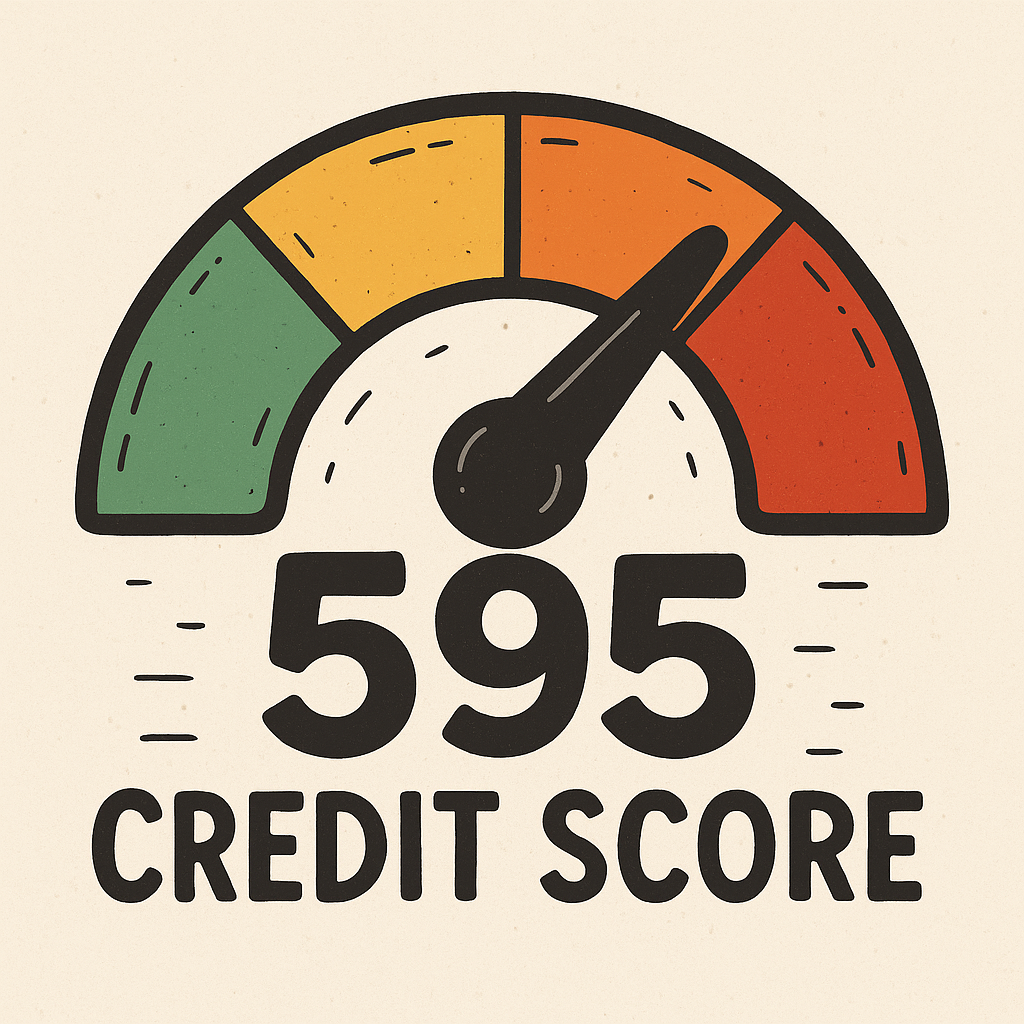
If you have plans to use real estate to build wealth, you need to start working on your credit score today, not later.
Your credit score is one of the most important tools you'll have when investing in real estate. It directly affects:
Your ability to qualify for loans
Your interest rate (lower rates mean smaller monthly payments and more profit)
Your down payment requirements (stronger credit can mean lower upfront costs)
Your negotiating power with lenders and sellers
Even if you're planning to house hack or use creative financing, a higher credit score opens more doors and makes every deal smoother.
Planning to Invest? Start With Your Credit Foundation
Before lenders, partners, or sellers say yes, they’ll look at your credit profile. Identifying errors, late payments, or utilization issues now can save you tens of thousands over the life of a real estate loan.
Review Your Credit Before Your First Deal
How to start boosting your score today:
Pay all bills on time (payment history makes up 35% of your score)
Lower your credit card balances (keep usage below 30% of your limits)
Don’t open too many new accounts at once
Check your credit reports for errors and dispute any mistakes
Avoid closing old accounts, as they help your credit age
By working on your credit now, you’ll be ready to act fast when a good property deal comes up — and you’ll save big in the long run.

Final Thoughts
Buying real estate with no money down really works. But it's not magic. You still need to:
Understand the risks
Do your homework
Have a plan
Be willing to learn
The biggest mistake people make is thinking it's "free money." It's not. You're taking on debt and responsibility. But if you do it right, it can help you build wealth much faster than trying to save up for traditional down payments.
Start with one property. Learn the process. Then you can decide if you want to do more.
Remember: Every successful real estate investor started with their first property. These strategies can help you get that first one without waiting years to save up money.
Frequently Asked Questions
Is buying real estate with no money down risky?
Yes. Higher leverage means higher risk. Cash flow planning is critical.
Do I need good credit for no-money-down investing?
In most cases, yes. Better credit unlocks better loan programs and lower costs.
Is this realistic for beginners?
Yes, many first-time investors start with house hacking or partnerships.
Is “no money down” really zero cost?
No. Closing costs, repairs, and reserves still apply. You’re just funding them creatively.
Disclaimer: This content is for educational purposes only and is not financial or legal advice. Readers should conduct their own due diligence and consult qualified professionals before investing.
Related Stories